Why Leather Care Matters
Leather remains one of the most desirable materials found in modern vehicle interiors. It offers comfort, durability and a premium appearance that few other materials can match. However, leather is also exposed to constant wear from daily use. Body oils, dirt, UV exposure, friction from clothing and general contamination gradually affect how it looks and feels over time.
Without regular maintenance, leather can become shiny, dry, discoloured or worn long before it needs to. Proper leather care helps preserve softness, maintain a natural finish and keep seats, steering wheels and trim looking cleaner for longer.
Whether your vehicle features genuine leather, leatherette or vinyl trim, a consistent care routine helps protect one of the most visible and valuable parts of the interior. It also makes the cabin feel more comfortable, more premium and better maintained every time the vehicle is used.
Leather Care Is About More Than Cleaning
Many people think leather maintenance starts and ends with a leather cleaner, but effective care usually involves several stages working together. Cleaning removes contamination, conditioning helps maintain softness, and protection products reduce future wear while making routine maintenance easier.
When these steps are combined, leather stays cleaner and more natural-looking for longer. Instead of waiting until the material becomes heavily soiled, shiny or tired, regular maintenance helps preserve the original finish with far less effort.
This approach is especially important in vehicles used every day, where seats, armrests and steering wheels are exposed to constant contact.
Everyday Use Takes Its Toll
Leather surfaces are among the most used areas inside any vehicle. Drivers slide across seat bolsters, rest their hands on steering wheels and touch armrests, gear selectors and door trims every time they drive.
Over time, body oils and dirt build up on these surfaces. This can cause leather to appear darker, shinier or more worn than intended. In many cases, what looks like ageing is actually contamination sitting on the surface rather than permanent damage to the material itself.
Cleaning this contamination early helps prevent it from becoming embedded, keeping the leather looking closer to its original condition.
Why Leather Cleaner Matters
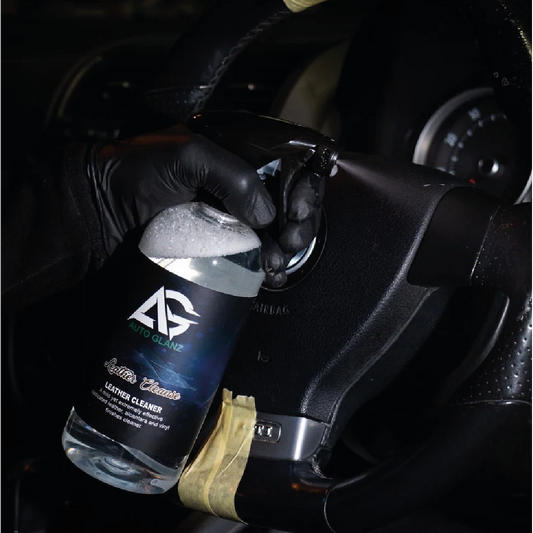
A dedicated leather cleaner is designed to remove dirt, oils and everyday contamination safely. Unlike household cleaners, which can be too harsh for automotive interiors, leather-specific products are developed to clean without unnecessarily drying or damaging the surface.
Regular cleaning helps restore a more natural appearance to seats, steering wheels, armrests and trim. It also creates a cleaner foundation for conditioners and protectants, allowing them to perform more effectively.
For interiors that combine leather with plastic, vinyl and other trim materials, a broader interior cleaning routine helps keep the entire cabin looking consistent and well maintained.
Maintaining a Natural Factory Finish
Many modern vehicle interiors are designed with a subtle satin finish rather than a high-gloss appearance. This natural look is often what gives leather its premium feel.
Good leather care should preserve that original character. The goal is not to make the surface look wet, greasy or heavily dressed, but to restore cleanliness, depth and a factory-style appearance.
For enthusiasts who value a clean and original interior, maintaining this natural finish is just as important as removing dirt.
The Importance of Leather Conditioning
Leather can gradually lose softness and flexibility through exposure to sunlight, heat and everyday use. As this happens, the material may begin to feel dry and become more vulnerable to cracking or premature wear.
A quality leather conditioner helps support flexibility and comfort while improving the feel of the surface. Conditioned leather often feels softer, cleaner and more pleasant to use, especially on seats and armrests that see regular contact.
Conditioning is particularly useful for vehicles that spend long periods outdoors, are driven daily or are exposed to strong seasonal temperature changes.
Cleaning and Protection Serve Different Purposes
Cleaning removes contamination that is already present, while protection helps reduce how quickly new contamination bonds to the surface. Both stages are important if you want leather to stay looking its best over time.
When leather is properly protected, routine maintenance becomes easier. Dirt and body oils are less likely to cling as strongly, and future cleaning usually requires less effort.
This helps reduce visible wear in high-contact areas and supports a more consistent appearance across the interior.
Leather Steering Wheels Need Special Attention
The steering wheel is one of the most frequently touched surfaces in any vehicle. Natural oils from hands gradually build up on the leather, often making the surface shiny, slippery or less comfortable to hold.
Regular cleaning helps restore grip, improve comfort and bring back a more natural feel. Many enthusiasts are surprised by how much difference a properly cleaned steering wheel makes to the overall driving experience.
Because the steering wheel is used on every journey, it is one of the areas that benefits most from frequent light maintenance.
Leatherette and Vinyl Need Maintenance Too
Many modern vehicles use leatherette, vinyl or coated materials alongside genuine leather. While these materials differ in construction, they still collect dust, body oils and everyday contamination in much the same way.
Regular cleaning helps maintain a consistent look across the cabin and prevents these surfaces from becoming shiny or tired. This makes leather care relevant for a wide range of modern interiors, not only vehicles fitted with traditional leather seats.
Using the right products helps keep genuine leather, synthetic leather and vinyl trim looking more uniform throughout the vehicle.
The Right Tools Improve the Result
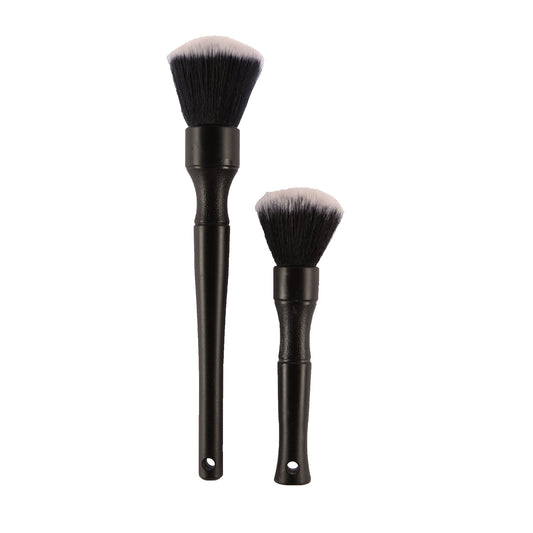
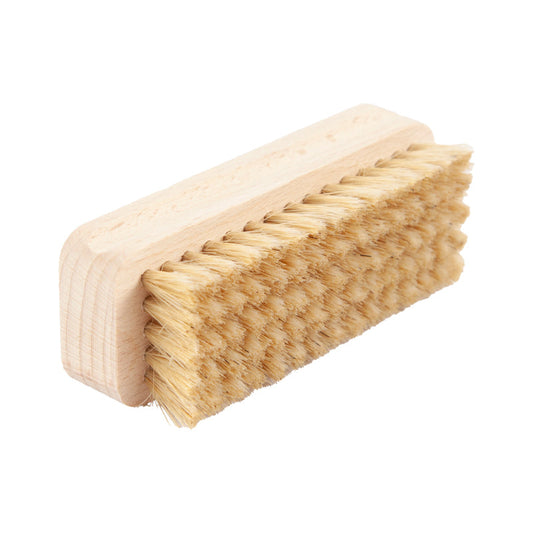
Leather surfaces often include stitching, perforations, seams and textured areas where dirt can collect over time. While microfiber towels are ideal for general cleaning, soft detailing brushes can help lift contamination from harder-to-reach areas.
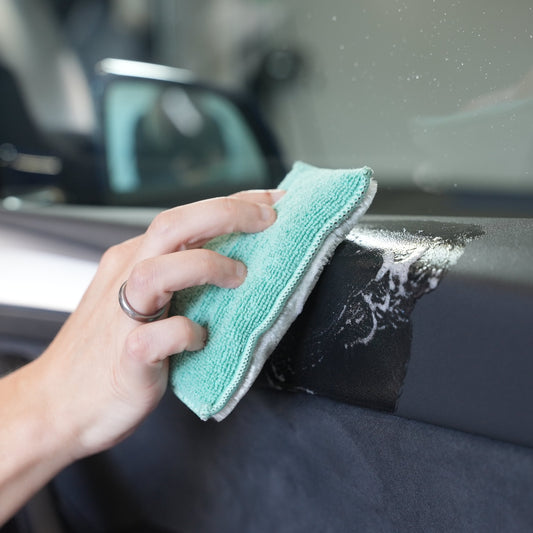
A quality microfiber towel helps remove residue safely, while soft detailing brushes can improve cleaning around stitching, grain and perforated sections without damaging the material.
Using the correct tools makes the process more efficient and often produces a more even, professional-looking result.
Leather Care Throughout the Seasons
Seasonal conditions affect interior materials in different ways. Summer introduces heat and UV exposure, while winter often brings moisture, dirt and extra wear from heavier clothing.
Regular leather maintenance helps reduce the impact of these conditions. During warmer months, cleaning and conditioning help combat dryness and heat exposure. During colder months, more frequent cleaning can help remove moisture, dirt and grime before they affect the surface.
Vehicles used daily generally benefit from more frequent maintenance than occasional-use vehicles, especially when the same seats and touch points are used every day.
Leather Care Before Selling a Vehicle
A clean and well-maintained interior can have a major impact on the perceived value of a vehicle. Buyers often pay close attention to seat bolsters, steering wheels, armrests and interior trim when judging how well a car has been cared for.
Clean, conditioned and properly maintained leather creates a stronger impression and suggests that the rest of the vehicle has also been looked after.
Even a simple leather care routine can dramatically improve presentation before sale, part exchange or trade-in.
Building a Complete Interior Care Routine
Leather care works best when it forms part of a broader interior maintenance routine. Cleaning leather surfaces is important, but dashboards, plastics, trim, carpets and touch points also contribute to how fresh the cabin feels.
After cleaning leather, an appropriate interior dressing can help maintain plastics and trim with a clean factory-style finish, while the right applicators make it easier to apply products evenly and control the final result.
For many enthusiasts, finishing the process with a subtle car air freshener helps complete the cabin and makes the interior feel freshly detailed.
Leather Care for Enthusiasts and Professionals
Whether you maintain your own vehicle or detail professionally, leather care remains one of the most important aspects of interior maintenance. Clean, soft and properly protected leather enhances both comfort and appearance while helping preserve long-term value.
Professional detailers understand that interior presentation often leaves a lasting impression. Well-maintained leather immediately elevates the condition of a vehicle and contributes to a more premium ownership experience.
For enthusiasts, the benefit is just as clear. A clean leather interior makes the vehicle feel better cared for every time you sit inside.
Leather Care for Softer, Cleaner and Better Protected Interiors
Quality leather deserves quality maintenance. From removing body oils and embedded dirt to conditioning and long-term protection, a proper leather care routine helps keep interiors looking cleaner, feeling softer and staying easier to maintain.
By cleaning regularly, conditioning when needed and protecting high-contact areas, you can preserve the appearance and comfort of leather, leatherette and vinyl surfaces throughout the cabin.
For anyone who wants a cleaner, more natural and better protected interior, leather care remains one of the most valuable parts of vehicle detailing.
Frequently Asked Questions
Disclaimer: This content has been created with the assistance of artificial intelligence. While every effort has been made to ensure the information is accurate and up to date, occasional inaccuracies or omissions may occur.

 Link label